Dedication
To those who carry the torch —
the ones who remember,
the ones who ask,
and the ones who keep the stories burning.
It has been so very fun meeting the challenge! I thank Amy Johnson Crow and Steve Little for the inspiration. I truly didn’t think I’d manage to do all 52 weeks, but it was addictive. Even when I felt uninspired and just did short posts, there’s always a learning.
News: I’ve decided to do another twist on the 52 ancestors challenge in 2026 – stay tuned! And I now have a named domain for this blog, The Ancestor Whisperer, with thanks to Megan Smolenyak, who generously redirected payment to Reclaim the Records.
Thank you for reading. ❤ Please find a quick index below.
Week 1 — In the Beginning, featuring Edith Lillian MAKEY WEST
https://janetbgenealogy.wordpress.com/2025/01/04/52-ai-ancestors-in-52-weeks-week-1-in-the-beginning/
Week 2 — Favorite Photo, featuring Oscar SMITH
https://janetbgenealogy.wordpress.com/2025/01/11/52-ai-ancestors-in-52-weeks-week-2-favorite-photo/
Week 3 — Nickname, featuring Mary Agnes HART CAREY
https://janetbgenealogy.wordpress.com/2025/01/18/52-ai-ancestors-in-52-weeks-week-3-nickname/
Week 4 — Overlooked, featuring Andrew DRISKOL
https://janetbgenealogy.wordpress.com/2025/01/25/52-ai-ancestors-in-52-weeks-week-4-overlooked/
Week 5 — Challenge, featuring Theresa KILKENNY ANDERSON
https://janetbgenealogy.wordpress.com/2025/02/01/52-ai-ancestors-in-52-weeks-week-5-challenge/
Week 6 — Surprise!, featuring Cornelius BRITTON
https://janetbgenealogy.wordpress.com/2025/02/08/52-ai-ancestors-in-52-weeks-week-6-surprise/
Week 7 — Letters and Diaries, featuring Patience P. SPIEGLE WEST
https://janetbgenealogy.wordpress.com/2025/02/15/52-ai-ancestors-in-52-weeks-week-7-letters-and-diaries/
Week 8 — Migration, featuring Janet ANDERSON BLAKE
https://janetbgenealogy.wordpress.com/2025/02/22/52-ai-ancestors-in-52-weeks-week-8-migration/
Week 9 — Family Secrets, featuring James HART
https://janetbgenealogy.wordpress.com/2025/02/25/52-ai-ancestors-in-52-weeks-week-9-family-secrets/
Week 10 — Siblings, featuring Lydia Coral WEST and Grace WEST CROZIER
https://janetbgenealogy.wordpress.com/2025/03/06/52-ai-ancestors-in-52-weeks-week-10-siblings/
Week 11 — Brick Wall, featuring Mary TIEBOUT YOUNG
https://janetbgenealogy.wordpress.com/2025/03/12/52-ai-ancestors-in-52-weeks-week-11-brick-wall/
Week 12 — Historic event, featuring Francis William CAREY
https://janetbgenealogy.wordpress.com/2025/03/20/52-ai-ancestors-in-52-weeks-week-12-historic-event/
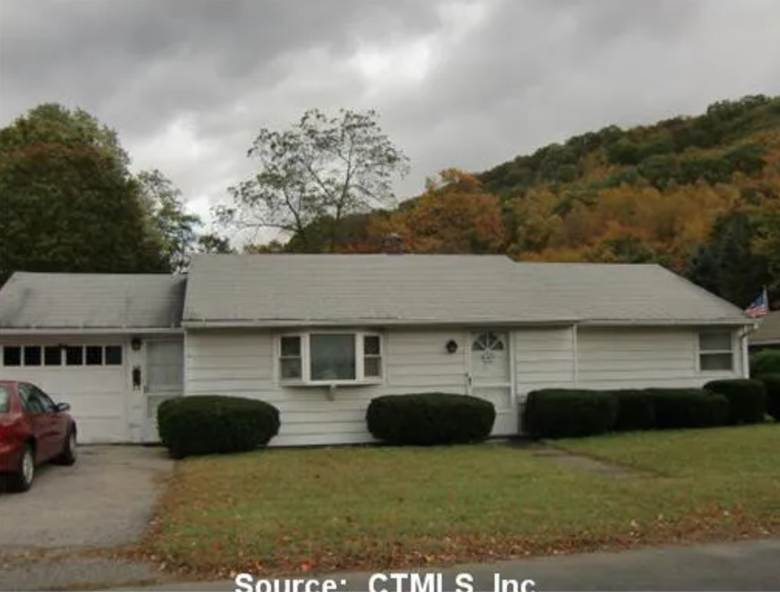
Week 13 — Home sweet home, featuring 73 Dongan Avenue
https://janetbgenealogy.wordpress.com/2025/03/26/52-ai-ancestors-in-52-weeks-week-13-home-sweet-home/
Week 14 — Language, featuring Robert Edward ANDERSON
https://janetbgenealogy.wordpress.com/2025/04/02/52-ai-ancestors-in-52-weeks-week-14-language/
Week 15 — Big mistake, featuring Mary Agnes HART CAREY and Francis William CAREY
https://janetbgenealogy.wordpress.com/2025/04/11/52-ai-ancestors-in-52-weeks-week-15-big-mistake/
Week 16 — Oldest story, featuring Louis THIBOU
https://janetbgenealogy.wordpress.com/2025/04/16/52-ai-ancestors-in-52-weeks-week-16-oldest-story/
Week 17 — DNA, featuring A. Gordon WEST
https://janetbgenealogy.wordpress.com/2025/04/22/52-ai-ancestors-in-52-weeks-week-17-dna/
Week 18 — Institutions, featuring Robert E. Anderson
https://janetbgenealogy.wordpress.com/2025/04/28/52-ai-ancestors-in-52-weeks-week-18-institutions/
Memorable quote: “A scholarship endowment is more than a donation; it’s a promise to future dreamers that someone believes in their journey.”
Week 19 — At the Library, featuring Janet ANDERSON BLAKE
https://janetbgenealogy.wordpress.com/2025/05/08/52-ai-ancestors-in-52-weeks-week-19-at-the-library/
Week 20 — Wheels, featuring Robert E. ANDERSON
https://janetbgenealogy.wordpress.com/2025/05/17/52-ai-ancestors-in-52-weeks-week-20-wheels/
Week 21 — Military, featuring Henry Denny, John Thomas WEST, William P. SPEAGLES, and Robert J. ANDERSON
https://janetbgenealogy.wordpress.com/2025/05/25/52-ai-ancestors-in-52-weeks-week-21-military/
Week 22 — Reunion, featuring my son
https://janetbgenealogy.wordpress.com/2025/06/01/52-ai-ancestors-in-52-weeks-week-22-reunion/
Week 23 — Wedding bells, featuring Ida RABINOWITZ GOODE and Samuel GOODE
https://janetbgenealogy.wordpress.com/2025/06/02/52-ai-ancestors-in-52-weeks-week-23-wedding-bells/
Week 24 — Artistic, featuring Lydia Coral WEST
https://janetbgenealogy.wordpress.com/2025/06/13/52-ai-ancestors-in-52-weeks-week-24-artistic/
Week 25 — FAN Club, featuring Anna FRANK BIRNBAUM and Samuel BIRNBAUM
https://janetbgenealogy.wordpress.com/2025/06/18/52-ai-ancestors-in-52-weeks-week-25-fan-club/
Week 26 — Favorite name, featuring Edith Lillian MAKEY WEST
https://janetbgenealogy.wordpress.com/2025/06/25/52-ai-ancestors-in-52-weeks-week-26-favorite-name/
Week 27 — Family business, featuring John WEST
https://janetbgenealogy.wordpress.com/2025/07/05/52-ai-ancestors-in-52-weeks-week-27-family-business/
Week 28 — Travel, featuring Edith MAKEY WEST
https://janetbgenealogy.wordpress.com/2025/07/11/52-ai-ancestors-in-52-weeks-week-28-travel/
Week 29 — Cousins, featuring Grace Brewster MURRAY HOPPER
https://janetbgenealogy.wordpress.com/2025/07/16/52-ai-ancestors-in-52-weeks-week-29-cousins/
Week 30 — Religious traditions, featuring various
https://janetbgenealogy.wordpress.com/2025/07/24/52-ai-ancestors-in-52-weeks-week-30-religious-traditions/
Week 31 — Earliest Ancestor, featuring Philippe du TRIEUX and Jaquemyne NOIRET du TRIEUX
https://janetbgenealogy.wordpress.com/2025/08/06/52-ai-ancestors-in-52-weeks-week-31-earliest-ancestor/
Week 32 — Wide open spaces, featuring Michael DOBBINS
https://janetbgenealogy.wordpress.com/2025/08/06/52-ai-ancestors-in-52-weeks-week-32-wide-open-spaces/
Week 33 — Legal troubles, featuring John WEST
https://janetbgenealogy.wordpress.com/2025/08/12/52-ai-ancestors-in-52-weeks-week-33-legal-troubles/
Week 34 — Play time, featuring A. Gordon WEST
https://janetbgenealogy.wordpress.com/2025/08/19/52-ai-ancestors-in-52-weeks-week-34-play-time/
Week 35 — Off to Work, featuring A. Gordon WEST
https://janetbgenealogy.wordpress.com/2025/09/02/52-ai-ancestors-in-52-weeks-week-35-off-to-work/
Week 36 — Off to school, featuring my son
https://janetbgenealogy.wordpress.com/2025/09/04/52-ai-ancestors-in-52-weeks-week-36-off-to-school/
Week 37 — In the News, featuring various
https://janetbgenealogy.wordpress.com/2025/09/12/52-ai-ancestors-in-52-weeks-week-37-in-the-news/
Week 38 — Animals, featuring Henry MAKEY
https://janetbgenealogy.wordpress.com/2025/09/26/52-ai-ancestors-in-52-weeks-week-38-animals/
Week 39 — Disappeared, featuring Andrew DRISKOL
https://janetbgenealogy.wordpress.com/2025/09/27/52-ai-ancestors-in-52-weeks-week-39-disappeared/
Week 40 — Cemetery, featuring Jennie FELDER FRANK
https://janetbgenealogy.wordpress.com/2025/09/30/52-ai-ancestors-in-52-weeks-week-40-cemetery/
Week 41 — Water, featuring John T. WEST and Patience SPIEGLE WEST
https://janetbgenealogy.wordpress.com/2025/10/12/52-ai-ancestors-in-52-weeks-week-41-water/
Week 42 — Fire, featuring John T. WEST
https://janetbgenealogy.wordpress.com/2025/10/13/52-ai-ancestors-in-52-weeks-week-42-fire/
Week 43 — Urban, featuring Jason SMITH
https://janetbgenealogy.wordpress.com/2025/10/28/52-ai-ancestors-in-52-weeks-week-43-urban/
Week 44 — Rural, featuring A. Gordon WEST
https://janetbgenealogy.wordpress.com/2025/10/30/52-ai-ancestors-in-52-weeks-week-44-rural/
Week 45 — Multiple, featuring Charlotte DuSHANNON WEST
https://janetbgenealogy.wordpress.com/2025/11/07/52-ai-ancestors-in-52-weeks-week-45-multiple/
Week 46 — Wartime, featuring Stephen BARKER
https://janetbgenealogy.wordpress.com/2025/11/11/52-ai-ancestors-in-52-weeks-week-46-wartime/
Week 47 — The Name’s the Same, featuring Nathaniel BRITTON
https://janetbgenealogy.wordpress.com/2025/11/21/52-ai-ancestors-in-52-weeks-week-47-the-names-the-same/
Week 48 — Family recipe, featuring Edith Lillian MAKEY WEST
https://janetbgenealogy.wordpress.com/2025/11/25/52-ai-ancestors-in-52-weeks-week-48-family-recipe/
Week 49 — Written, featuring Robert E. ANDERSON
https://janetbgenealogy.wordpress.com/2025/12/03/52-ai-ancestors-in-52-weeks-week-49-written/
Week 50 — Family heirloom, featuring Alice BRITTON MAKEY
https://janetbgenealogy.wordpress.com/2025/12/11/52-ai-ancestors-in-52-weeks-week-50-family-heirloom/
Week 51 — Musical, featuring Rose CAREY ANDERSON and Edward Joseph ANDERSON
https://janetbgenealogy.wordpress.com/2025/12/19/52-ai-ancestors-in-52-weeks-week-51-musical/
Week 52 — Memorable, featuring all
https://janetbgenealogy.wordpress.com/2025/12/22/52-ai-ancestors-in-52-weeks-week-52-memorable/





 The Ancestor Whisperer