52 AI Ancestors in 52 Weeks: Week 8: Migration

I’ve combined Amy Johnson Crow’s 52 ancestors in 52 weeks challenge, and Steve Little’s The 2025 AI Genealogy Do-Over, to create a unique 52 AI ancestors in 52 weeks party!

52 AI Ancestors in 52 Weeks: Week 8: Migration

Introduction

Migration is a theme that touches every genealogist because all of us descend from migrants. My own maternal haplogroup, I4, traces a journey from eastern Africa through the Middle East to Europe. But rather than focusing on just my distant ancestors, I’m turning the lens inward—to my own migration story.

Migrations

I take great pride in my American ancestors, from the religiously persecuted Huguenots who arrived in 1624 to the post-famine Irish who faced hardship head-on. For generations, my family remained rooted on the East Coast of the United States, particularly Staten Island, New York, where they settled in 1665. I was born and raised there, had my children there, and expected that our roots would remain firmly planted.

Then came the attacks of September 11, 2001.

I was in Manhattan when the towers fell. My husband managed to reach our small children, but I was trapped in the city, desperate to get home and hold them close. Like many others, I left New York in the time that followed. My father remained, the last of my direct line on Staten Island. When he passed in 2009, the link to my ancestral home of nearly 350 years was severed. What was once my family’s anchor became a memory.

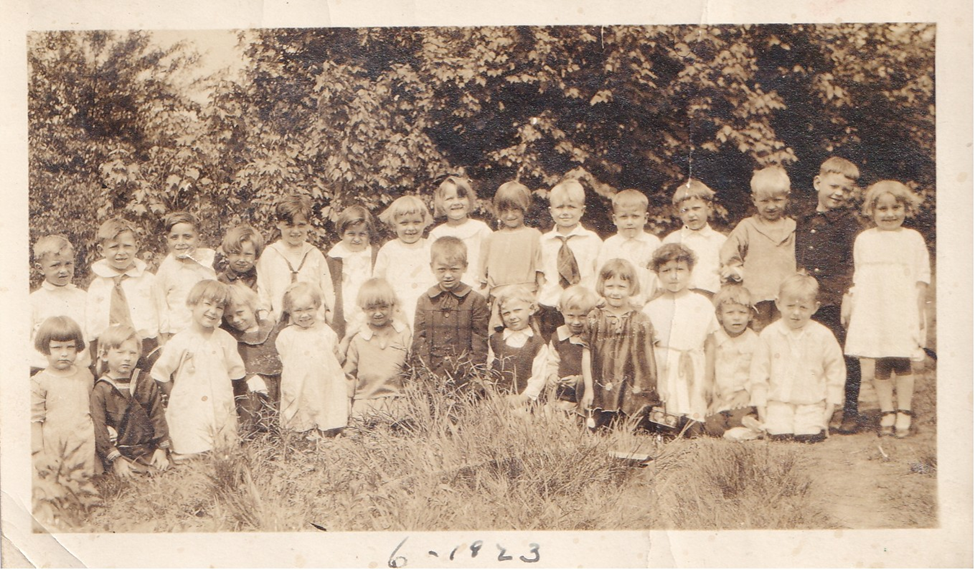
Figure 1 By Niels Jørgensen (1859-1943) – bruun-rasmussen.dk, Public Domain, https://commons.wikimedia.org/w/index.php?curid=80153432

How AI is Helping My Research

AI is transforming how we understand migration, both in the broader historical sense and in personal genealogy. Here are some ways AI is assisting my research:

  1. DNA Analysis & Migration Patterns: AI-driven tools like MyHeritage’s “Theory of Family Relativity” and 23andMe’s haplogroup mapping provide insights into ancestral migration routes. AI helps compare my DNA with ancient population data, identifying possible pathways my ancestors took.
  2. Historical Record Analysis: AI-powered platforms like Ancestry’s StoryScout and FamilySearch’s record hinting system analyze documents, connecting names, locations, and migration events. AI can surface records I might have overlooked, revealing new details about how and why my ancestors moved.
  3. Newspaper & Obituary Searching: AI-driven newspaper archives can identify migration clues hidden in articles, obituaries, and legal notices. By scanning old papers for names, locations, and key terms, AI has helped me uncover mentions of family moves, ship arrivals, and land purchases.
  4. Census & Ship Passenger List Analysis: AI makes searching census records more intuitive, predicting potential matches and migrations by analyzing occupation changes, neighbors, and household structures. Passenger lists and naturalization papers also benefit from AI’s ability to extract and organize details quickly.
  5. Geographical Data Visualization: Tools like Google Earth’s AI-powered historical overlays allow me to visualize ancestral locations. AI-driven mapping software reconstructs old neighborhoods, providing a clearer sense of the landscapes my ancestors knew.

Challenge for Readers

Have you traced your ancestors’ migration patterns? Try using an AI-powered genealogy tool to uncover a migration story in your family tree. Look at census records, passenger lists, or even DNA migration maps. You might be surprised at what you find! Share your discoveries in the comments or with fellow researchers.

Summary and Next Steps

Migration is not just an event—it’s a story of movement, struggle, and change. Whether fleeing persecution, seeking better opportunities, or adapting to life-altering events like 9/11, migration shapes our family narratives.

AI offers new ways to uncover these stories, making research faster and more insightful. By harnessing AI, we can connect with our ancestors in ways never before possible.

Disclosure

This post was created by me and refined with AI assistance. While AI helps organize research, the storytelling and discoveries are my own.

52 AI ancestors in 52 weeks: Week 1: In the Beginning

52 AI ancestors in 52 weeks: Week 1: In the Beginning

I’ve combined Amy Johnson Crow’s 52 ancestors in 52 weeks challenge, and Steve Little’s The 2025 AI Genealogy Do-Over, to create a unique 52 AI ancestors in 52 weeks party!

History says I won’t do it every week. But we’re talking about progress, not perfection. So, let’s just jump in and have fun.

52 AI Ancestors in 52 Weeks: Week 1: In the Beginning

Genealogy is like solving a family mystery—part detective work, part heartfelt storytelling. Throw AI into the mix, and it’s a whole new level of discovery. This year, I’m taking up a challenge that blends Amy Johnson Crow’s “52 Ancestors in 52 Weeks” with a techy twist inspired by Steve Little’s “The 2025 AI Genealogy Do-Over.” The goal? To explore both my family’s roots and the potential of AI in genealogy. Let’s kick it off with Week 1.


Why I Got Started

My genealogy obsession began in 6th grade when I got an assignment to create a family tree. Lucky for me, my grandmother—my biggest cheerleader—was just a few steps away. She dug out old records, shared stories, and filled in the gaps with amazing details. Thanks to her, I didn’t just complete the assignment; I caught the genealogy bug for life.

Grandma’s love for family history had its own story. She lost her mother at the tender age of three, and I believe her passion for genealogy was her way of reconnecting with that lost connection. She came from a prominent local family but struggled to tie certain pieces together. Those mysteries drove her—and now, they drive me.


The AI Connection

Fast forward to today. I’ve got tools my grandmother couldn’t have dreamed of—AI among them. This week, I gave an AI model a task: review and rewrite a tribute I wrote for my grandmother. Here’s how it went:

  • Step 1: I asked the AI to evaluate my tribute’s emotional resonance and clarity.
    • Please create guidelines for writing a tribute on the Internet, rate my page according to them, make suggestions, rewrite using the suggestions, and regrade. The page:
  • Step 2: I pasted the text (AI and links don’t always get along) and let it suggest edits.
  • Step 3: After trying a few models, Gemini delivered the most heartfelt rewrite. I put it below this post. What do you think? Let me know in the comments!

AI didn’t just polish the words—it helped me reflect on the way I’d captured my grandmother’s story. But, as powerful as AI is, it didn’t replace my voice; it enhanced it.

Grandma holding me at what was probably my first birthday


Your Challenge

Genealogy is personal, but technology can make it interactive. Here’s how you can join the journey:

  1. Pick an Ancestor: Choose someone in your family tree who inspires you. Write a short tribute to them (just 300 words or so).
  2. Add AI to the Mix: Use a free AI tool to refine your writing. ChatGPT, Claude, or Gemini are great options.
  3. Compare and Reflect: Does the AI version improve your story, or does it miss the mark? Adjust it to reflect your voice.

Share your experience in the comments—I’d love to hear how AI shapes your family’s stories.


In the End, It’s All About Connection

Genealogy and AI might seem like an odd pairing, but at their core, both are about uncovering connections. Whether it’s piecing together family lore or fine-tuning a tribute, every little discovery brings us closer to understanding who we are.

Here’s to Week 1—and to Grandma, who started it all. Without her, this journey wouldn’t be possible. And thanks to AI, it’s more exciting than ever.


Final Thoughts: Technology can amplify the past, but it’s the stories we share that keep it alive. So here’s my challenge: embrace both the wisdom of your ancestors and the tools of today to create something truly timeless.

The AI-revised tribute:

A Tribute to Edith Lillian Makey West (1913-1997)

Edith Lillian Makey West, my beloved Grandma, was born on September 12, 1913, in Staten Island, New York. Her life, though marked by early loss – her mother passed away when she was just three years old – was a testament to resilience and love.

Raised by her strong and loving [Janet adds: aunt, her namesake Edith, and] stepmother, Elfrida, Edith grew into a vibrant young woman. She graduated from Bryant High School and embarked on her career, working first as a candy packer and then for The Corporation Trust Company, where she dedicated many years.

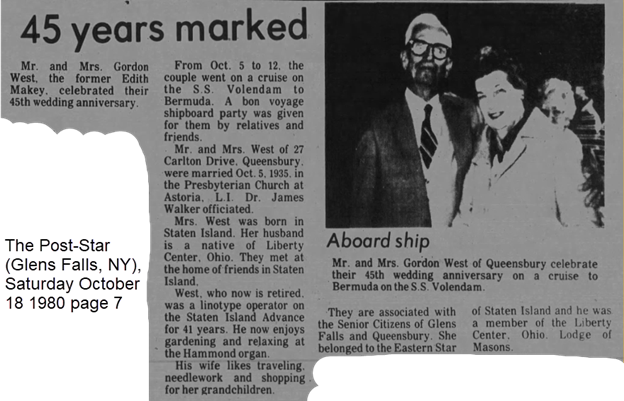
Edith and my Grandpa, Gordon, shared a deep and enduring love. Their marriage, celebrated in 1935, was a cornerstone of her life. They traveled extensively, exploring 37 states together, and cherished raising their children, Alan and Elise.

Grandma’s passion for family history ignited my own. Countless hours were spent discussing ancestors, sharing stories, and piecing together our family’s past. Her excitement was contagious, fueling my own genealogical pursuits.

More than anything, Grandma embodied strength and resilience. She faced life’s challenges with grace and determination, inspiring me with her quiet strength.

Though she is gone, her memory lives on. I will always cherish the warmth of her smile, the comforting sound of her laughter, and the enduring lessons she imparted.