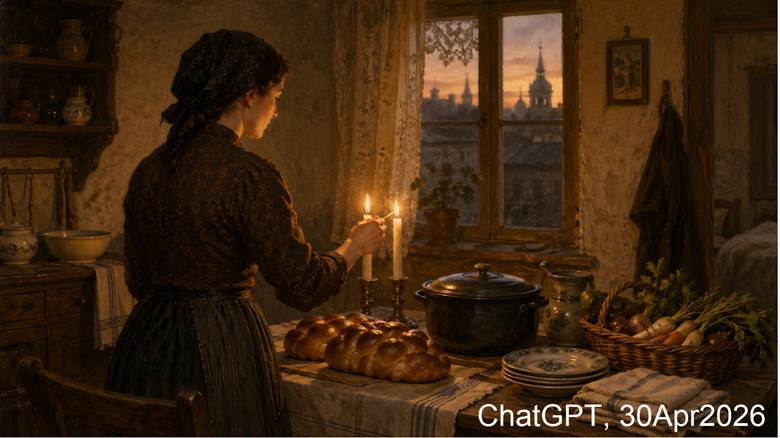
Not Every Memory Fits in a Shadowbox

I’m having some Saturday Night Genealogy Fun (#SNGF), with help from Randy Seaver and his prompts! Feel free to join in.

Saturday Night Genealogy Fun: March 21, 2026

Prompt: “March 21 is National Memory Day.  How can we celebrate, and participate, in the day?  I asked AI tool ChatGPT how, and it suggested “Capture a Memory Before Its Gone;” “Rescue and Identify Old Photos;” “Record a Oral History;” “Organize One Small Thing;”  “Share a Story With Family;” “Visit or Virtually Honor Ancestors.””

Introduction

This week’s Saturday Night Genealogy Fun challenge, from Randy Seaver, marks March 21 as National Memory Day and invites us to consider how we might celebrate and participate. The suggestion was to come up with our own ideas, and as I thought about it, I realized I’ve already been doing this in different ways, even if I didn’t call it that at the time. You probably have as well.

Discussion

One of the most tangible examples sits right in my home: a shadowbox holding my great-grandmother, Alice Britton Makey’s, initialed fork. (Blog about it here.) It’s a small, everyday object, but preserving it, and the story behind it, felt important. It gave her a physical presence, something I could see and point to. But as meaningful as it is, I also know I can’t fill my house with shadowboxes. Not every memory can live that way.

Some memories are better experienced than displayed.

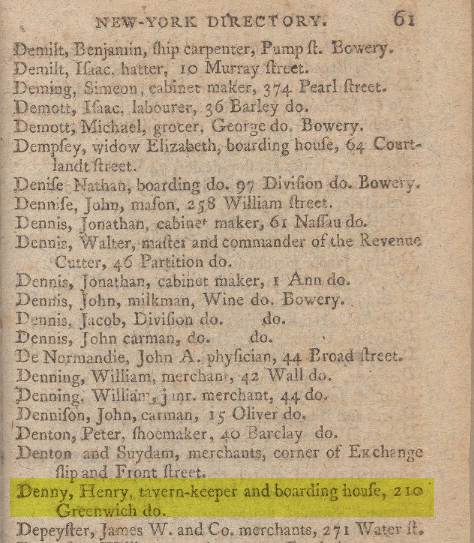
I was reminded of that by a relative (Helen Denny Woodman, author of The Descendants of Henry Denny, 1758-1839, also my ancestor) who, while caring for her husband as his memory declined, would sit with him and go through old family photo albums. Those albums weren’t just records – they were invitations. They allowed him to reconnect, to recognize, to feel something familiar even as other memories slipped away. That idea has stayed with me, and it’s inspired me to create albums of our own family trips – not just to document where we’ve been, but to make it easier to revisit those moments together.

And then there are the memories you can hear.

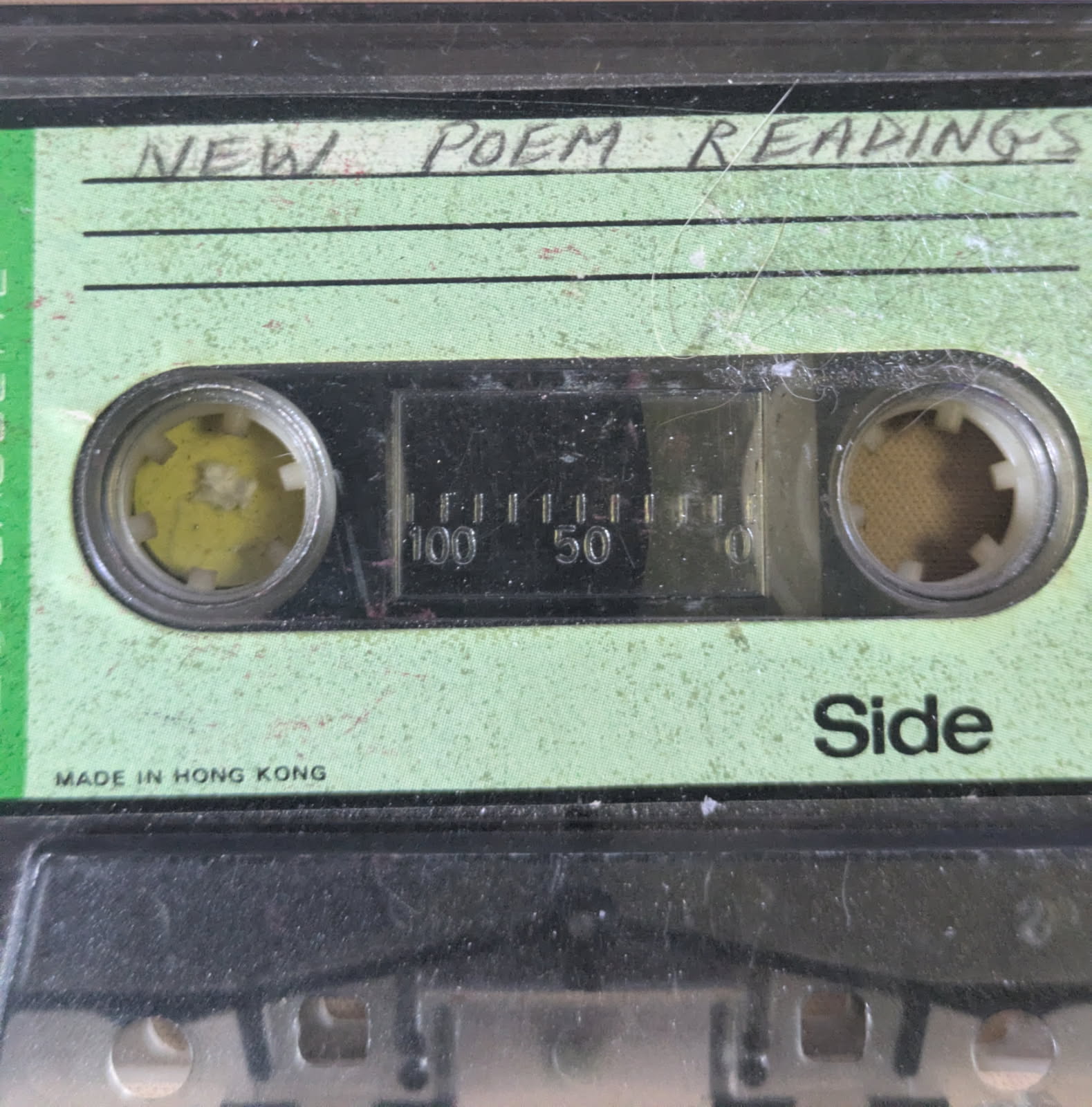
When I had an old cassette converted (blog here), I discovered a recording of my father reading a poem he had written. Hearing his voice again was something no object could replicate. It wasn’t just preservation; it was presence. For a few minutes, he wasn’t just someone I remembered. He was there.

Thinking about National Memory Day in this way, I’m struck by how many forms memory can take. Some are physical, like a fork in a shadowbox. Others are shared, like turning the pages of an album. Still others are almost intangible, like a voice carried forward through time.

Not every memory fits in a shadowbox – but that may be the point. Memory isn’t meant to live in just one form. It lives in the ways we choose to hold on, to revisit, and to share.

A cassette tape hand-labeled "New poem readings"

AI Disclosure

This post was developed with the assistance of AI tools to help organize ideas and refine wording, while preserving my original reflections and voice.

Favorite RootsTech Session

I’m having some Saturday Night Genealogy Fun (#SNGF), with help from Randy Seaver and his prompts! Feel free to join in.

Favorite RootsTech Session

Saturday Night Genealogy Fun: March 7, 2026

Prompt: “RootsTech 2026 just finished today.  Did you watch any classes online?  Which online class was your favorite, perhaps the most informative, most helpful, or most entertaining, for you?”

Introduction

Have I watched any classes online? 18, so far.

Which was my favorite? Wow, that’s almost as bad as asking which child is my favorite.

Discussion

There are so many which I would heartily recommend!

  • I watched every Artificial Intelligence one which was put online (sadly, not all of them were). (These links are for your convenience, but please note that only one day comes up; you need to tab over to the other days of the conference.)
  • I leaned heavily on the Methodology sessions.
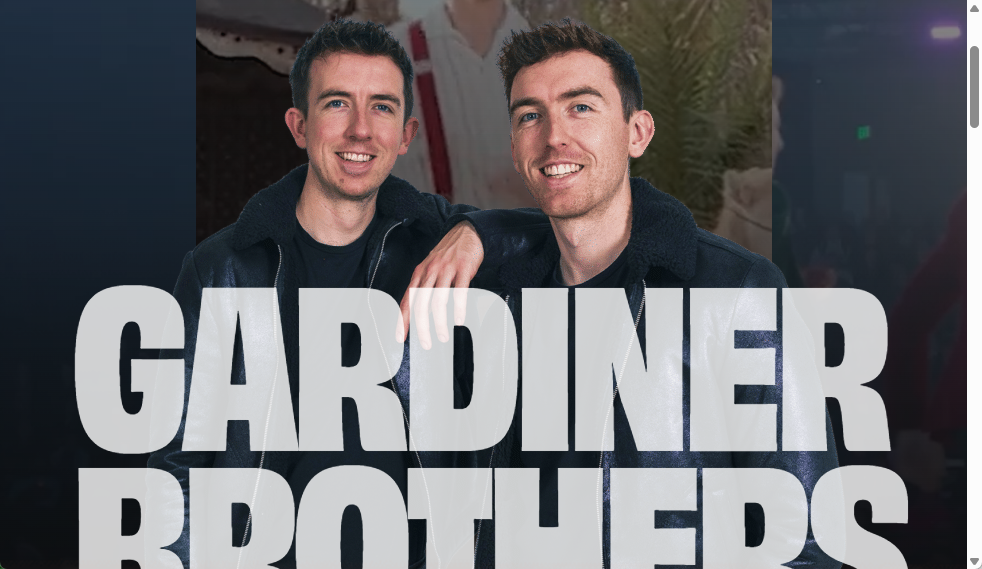
  • I was astounded, as always, by the Gardiner Brothers in the Day 3 Keynote.

But once I watch my entire list, the first one I plan to rewatch will be:

FamilySearch Full-Text Search – Your Golden Path to Ancestral Discovery with David Ouimette.

He’s an engaging, experienced speaker, and genuinely enthused about his subject.  He explains the advances FamilySearch has made to Full-Text Search, with real, relatable examples of how to use it. He explains navigation and when we would want to choose the different options. He gives search examples for different scenarios.

One of the most exciting parts of the session is learning that Full-Text Search doesn’t rely solely on traditional indexes. Instead, FamilySearch is using AI to read and transcribe historical handwriting, allowing us to search every word in millions of documents. That means names, places, and details that never made it into indexes can suddenly become discoverable.

This opens up records that were previously searchable only by browsing images—court records, land records, and other manuscript collections where names appear deep inside the text.

As the lead of FamilySearch Content Strategy for Asia-Pacific, he has unique insight into what’s coming.

Ouimette’s enthusiasm is truly contagious in this session – I highly recommend everyone drop this blog right now and go watch it!

Challenge

Go watch just one session* – navigate to https://www.familysearch.org/en/rootstech/schedule?tab=full_schedule&day=2026-03-07 and filter by a topic or speaker you’re interested in!

* OK that was a trick. You can’t stop at just one.

AI Disclosure

This post was created by me with the help of AI tools. While AI helps organize research, the storytelling and discoveries are my own.

Visualizing the Work of John T. West

I’m having some Saturday Night Genealogy Fun (#SNGF), with help from Randy Seaver and his prompts! Feel free to join in.

Visualizing the Work of John T. West

Saturday Night Genealogy Fun: February 28, 2026

Prompt: “Do you know what activities one of your ancestors/relatives engaged in?  How much detail do you know about those activities? Use the FREE artificial intelligence tool Google Gemini 3 to describe what your ancestor or relative experienced in his/her activities (e.g., military service, a ship they migrated on, an occupation, an office they held, etc.). Share your ancestor/relative’s activity of interest and description of their experiences”

Introduction

My ancestor John Thomas West (1830–1924) wore many hats during his long life, including service in the Civil War. But today I want to focus on something quieter and just as important: how he provided for his family when he was home, in Liberty Center, Henry County, Ohio.

Discussion

I went to Gemini.google.com and gave it the prompt, using the role-goal-text-task-flask setup that Steve Little taught me back in 2023:

ROLE: You are a genealogist writing a family history book.

GOAL: You are trying to bring my ancestor to life for the reader.

TEXT: My ancestor was usually described as a stair builder, although sometimes as a carpenter. I do see that he must have done some farming, I suppose carpentry in a small town does not feed the large family.

TASK: Tell the reader about his occupation(s) and how he provided for his family.

FLASK: Format as a couple of paragraphs of text at a high school reading level.

What it gave me was a general explanation of my ancestor’s work, so in the spirit of refining prompts, I added:

Please format it like a third-person addition to a biography.

It didn’t do well with the third-person, staying in the second person, so I tried again.

Please put this in the third person: “John” rather than “your ancestor”

And it did but was very sparse – until I realized my mistake!

Oh dear. I forgot to tell you who we are talking about. It’s John T. West (1830-1924), who lived in Maryland, Virginia, and Philadelphia, before settling in rural Ohio with his young family.

It did a very nice writeup, but in true LLM fashion, it offered more:

Since he lived through the Civil War era and moved West, would you like me to research the specific architectural styles popular in Ohio during that time to see what his stairs might have looked like?

I accepted.

The final result was very pleasing.

To truly understand John T. West (1830–1924), one must look at the physical world he built. Living nearly a century, John witnessed the evolution of America from a collection of rural homesteads to an industrial power. When he moved his young family from the established architectural hubs of Maryland, Virginia, and Philadelphia to the developing landscapes of rural Ohio, he brought with him a level of sophistication rarely seen in the countryside. While many men of the era were general carpenters, John’s specialized designation as a stair builder marked him as a master of “finish work.” In a time before power tools, constructing a staircase was the ultimate test of a woodworker’s skill, requiring a deep understanding of practical geometry to calculate the precise “rise and run” of every step.

In the expanding towns of Ohio, a grand staircase was a status symbol, and John was the architect of that elegance. He likely spent his winters in a wood-heated shop, meticulously hand-carving balusters or steaming wood to bend it into the graceful curves of a continuous handrail. However, the life of a craftsman in a small town was often “feast or famine.” To ensure his large family remained secure, John anchored his life to the seasons. When the spring thaw arrived, he traded his fine chisels for a plow. This blend of artistry and agriculture was a necessity; the Ohio soil provided the food for his table, while his specialized commissions in Maryland or Philadelphia-style joinery provided the “hard currency” for taxes and supplies. John West lived his life between two worlds—the precision of the craftsman’s square and the grit of the family farm.

I found this description fascinating. While it’s not a source in itself, it helped me visualize what John’s work may have looked like and how his carpentry and farming likely fit together in daily life.

Challenge

Do the same with an ancestor or relative of yours (review the prompt at the top), and refine the results at least once! That helps to “train” the AI to better serve you.

Want to Learn More?

Gemini, in the same conversation, recommended these:

For a beginner looking to master these techniques, the best resources are the official “Playbooks” and interactive guides created by the companies that build the AI models. They are designed to be clear, practical, and full of “before and after” examples.

Here are some sources I recommend:

1. The Prompt Engineering Guide This is widely considered the “encyclopedia” of prompting. It is open-source and incredibly beginner-friendly. https://www.promptingguide.ai/

2. Anthropic’s Interactive Tutorial (GitHub) Anthropic (the makers of Claude) has a highly praised, step-by-step tutorial that feels more like a mini-course than a dry document. https://github.com/anthropics/prompt-eng-interactive-tutorial

3. OpenAI’s Strategy Guide OpenAI provides a very concise “Best Practices” list that is perfect for a quick start. https://platform.openai.com/docs/guides/prompt-engineering

John T. West

AI Disclosure

This post was created by me with the help of AI tools. While AI helps organize research, the storytelling and discoveries are my own.

A Big Decision

I’ve adapted Amy Johnson Crow’s 52 ancestors in 52 weeks challenge.

Each week’s post follows my children’s ahnentafel numbering, which determines the featured ancestor.

This ensures no one until mid-sixth generation gets left behind.

52 Ancestors in 52 Weeks: 2026 Week 08: A Big Decision

Introduction

My assigned Week 8 ancestor is Samuel Birnbaum.

I never met the man – my husband’s grandfather – and my husband didn’t know him either, just met him once or twice, according to hubby.

So I’m not working off any personal knowledge, just research.

Samuel Birnbaum made two big moves in his lifetime, and I’m definitely curious why he did.

Discussion

An older man in a suit posing for a photograph

Samuel Birnbaum was born 18 April 1885 in Eperjes, Saros County, Hungary (now Prešov, Slovakia). On 24 February 1902, at age sixteen, he arrived in New York aboard the Kronprinz Wilhelm, stating he was joining his brother, Morris Berkovitz.

By 1906 he had married Anna Brenda Frank in Manhattan and established himself as a butcher. He filed his declaration of intent in 1909 and was naturalized in 1912.

After decades in New York City, Samuel, his wife, and their youngest son relocated to Los Angeles between 1940 and 1942, where he died in 1954.

Why did Samuel leave Europe for the US?

I don’t know the answer to this. Millions of Jews left Eastern Europe between 1880 and 1924, driven by economic hardship, antisemitism, conscription, and family networks. Samuel arrived in 1902, following a brother whose trail I have yet to uncover. That timing alone suggests he was part of that larger exodus.

What records might answer that question?
Passenger manifests sometimes note whether an immigrant had been in the U.S. before. Naturalization records can contain affidavits naming relatives. Hungarian civil records might clarify family structure and confirm the brother he claimed to follow.

What made Samuel move from New York to California at the beginning of World War II?

Moving across the country in your mid-50s isn’t a small decision. It suggests either urgency, opportunity, or family pull. Did the youngest son get a job and bring his parents? (The youngest son has proven more difficult to trace. I’ve found his WWII draft card and he worked for the Credit Service Bureau, which doesn’t seem to be war-related, but the 1950 census says he served in the armed forces.)

To move beyond speculation, I need to turn to the records. It’s time to pick up the threads here and braid them together.

Down the rabbit hole…

If you give a mouse a muffin, there are a bunch of tasks you need to do. And if you ask me about my grandfather-in-law, I remember some unexamined tidbits. But far better that, than running into a blank slate! Every unanswered question is an invitation. Off to research now!

Research Steps

To better understand Samuel’s two major moves, I plan to:

  • Re-examine his naturalization file for witnesses or supporting affidavits that might identify the elusive brother Morris Berkovitz.
  • Search passenger manifests and border crossings for alternate spellings of Morris’s name.
  • Compare New York City directories (late 1930s–early 1940s) with Los Angeles directories to narrow the exact year of relocation.
  • Revisit the youngest son’s World War II draft registration and service record for clues about residence or occupation changes.
  • Locate Samuel’s California death certificate and obituary to identify the informant and any extended family listed.

Big decisions often leave paper trails. My task now is to find them.

Summary

Samuel Birnbaum made at least two life-altering decisions: to leave Hungary for America in 1902 and to leave New York for California four decades later. I don’t yet know what drove those choices, but the historical context offers possibilities. For now, the questions remain. The next step is to test the records and see whether those big decisions left clearer traces than I’ve yet uncovered.

AI Disclosure

This post was created by me with the help of AI tools. While AI helps organize research, the storytelling and discoveries are my own.

Next Week’s Topic: Conflicting Clues

Saturday Night Genealogy Fun: January 24, 2026: RootsTech 2026!

I’m having some Saturday Night Genealogy Fun (#SNGF), with help from Randy Seaver and his prompts! Feel free to join in.

Saturday Night Genealogy Fun: January 24, 2026: RootsTech 2026!

Prompt:

1) Are you registered for RootsTech 2026 yet?  It’s less than six weeks away – March 5-7, 2026. 

2) What are you looking forward to either attending in-person or online?  What keynote talks, classes, or other events are you planning to attend?  For each day, list at least one class that is a “can’t miss” for you. At present, there are 206 online classes listed, but some are foreign language Keynote talks and replays.

3) Share your RootsTech 2026 plans in your own blog post or in a Facebook, SubStack, BlueSky or other social media post.  Leave a link to your post on this blog post to help us find your post.

Introduction

I am such a nerd that I set a calendar reminder for the day registration opens for RootsTech 2026! So, asking me if I’m registered is kind of a silly question. 😊 I’m attending online. If you’ve ever been curious but unsure whether it’s “worth it,” the online option (FREE!) makes it easy to explore at your own pace. Someday I’ll go in person – but not this year – many other commitments this time around.

RootsTech logo

What I’m taking

One of the things I appreciate most about RootsTech is that you don’t have to do everything – just find a few voices or topics that really speak to you. I’ve been doing online webinars since long before the pandemic, and find that lately, I choose by speaker as much as by topic:

[I am so, so sorry for the list formatting. I still struggle with WordPress.]

Challenge

If you haven’t registered yet, consider doing so: it’s free, and even building a small schedule can help you see what’s possible. You can always treat it like a playlist and watch sessions later, whenever it suits you.

I always enjoy seeing how different people approach RootsTech; if you’re participating, I’d love to hear what you’re planning to attend.

AI Disclosure

This post was created by me with the help of AI tools. While AI helps organize research, the storytelling and discoveries are my own (and the prompt was Randy Seaver’s).

Saturday Night Genealogy Fun: January 17, 2026

I’m having some Saturday Night Genealogy Fun (#SNGF), with help from Randy Seaver and his prompts! Feel free to join in.

Saturday Night Genealogy Fun: January 17, 2026

Prompt:

“1)  FamilySearch Full-Text Search continues to add databases and searchable images to their collections.  This is a gold mine, especially of land, probate and court records.

2)  Pick one or two of your ancestors or research targets and see what you can find on FamilySearch Full-Text Search about them.

3)  Share your Full-Text Search find(s) in your own blog post or in a Facebook, SubStack, BlueSky or other social media post.  Leave a link to your post on this blog post to help us find your post.”

Introduction

I’ve heard a lot of excitement around FamilySearch’s full-text search, especially when it comes to unexpected finds. I’ve dabbled here and there, but this prompt felt like a great opportunity to really dig in, and maybe finally understand what all the buzz is about.

What I Found

I started with my ancestor Michael Dobbins, searching for him in Kansas. Michael was a traveler: a famine immigrant who journeyed from Ireland to New Jersey, possibly to Pennsylvania, and eventually to Kansas. He purchased property along the way, and as far as I can tell, it wasn’t bounty land, so I still don’t know where the funds came from.

The first hit came from a classic “mug book.” It mentioned Michael and his wife Mary and proudly noted their longevity (defined there as living past 70): Michael Dobbins of Shawnee Township, Wyandotte County, Kansas, at age 84, and Mary Dobbins, same place, at 80.

There was also a separate mug book entry for his son (also named Michael) but that one belongs to the next generation.

The most exciting find, though, was something I didn’t expect at all. Full-text search surfaced a handwritten ledger entry recording the confirmation of a daughter of Michael Jr., the kind of record I would never have thought to search for directly. I was genuinely impressed that a handwritten religious record surfaced so cleanly in the results.

That was the moment I really understood why people are so excited about this tool.

A ledger with Michael Dobbins (in handwriting) highlighted.

And Then… Another Rabbit Hole

Next, I modified my search to look for Patrick Dobbins, Michael’s son (not my direct ancestor), who moved to Brazil, of all places, and that’s when things really took off.

And yes, I hit pay dirt again.

This time there were multiple handwritten records, including a Roman Catholic record written in Latin that identified him as Patricio Dobbins. That discovery alone opens up an entirely new line of inquiry.

At that point, I realized this was one rabbit hole I had not planned for.

Go to bed without me, honey.

Challenge

Pick an interesting (or puzzling) person from your tree and see what Family Search Full-Text Search can uncover. You might be surprised where it leads.

AI Disclosure

This post was created by me with the help of AI tools. While AI helps organize research, the storytelling and discoveries are my own (and the prompt was Randy Seaver’s).

Saturday Night Genealogy Fun: January 10, 2026

I’m having some Saturday Night Genealogy Fun (#SNGF), with help from Randy Seaver and his prompts! Feel free to join in.

Saturday Night Genealogy Fun: January 10, 2026

Prompt:

“1) Do you have Research Notes for some of your ancestors in a number of sources and papers, or perhaps in a Person Note or Research Note in your desktop family tree program, and dread trying to put them into a coherent genealogical sketch or research note?  

2) This week, take all of the Research Notes you have for one person in your tree and put them all in one word processor document. Organize them if you want – you don’t have to.  Make a PDF file of your new word processor document and name it.  

3) Go to your favorite LLM (you know, ChatGPT, Claude, Gemini, Perplexity, or any other LLM), load the document, and ask the LLM to “Please organize the research notes in the attached document for [your ancestor’s name, birth and death year] and create an engaging biography about him and his family. Do not use any information other than what is provided.”

2) Tell us about your experiment in condensing your notes and creating a biography of an ancestor”

Introduction

Not too long ago, a cousin asked me to document her relationship to a second cousin of hers, Grace, so my cousin could visit Grace in a nursing home. I happily did the research and the writeup and provided a report to her. This report was the basis for this week’s prompt.

Discussion

I first took a course in Empowering Genealogists with Artificial Intelligence back in October 2023, and we have come a very long way in the two years since. Using this week’s prompt and my existing research report, ChatGPT 5.2 produced a surprisingly strong and coherent write-up.

Early large language models were notorious for hallucinating – and still will if left without guardrails – but this one was explicitly instructed to rely only on the facts provided. It followed that instruction carefully. In addition to the requested biography, the LLM also produced:

  • Organized research notes
  • Identity and name variations
  • Core facts such as birth, residences, and marriage
  • Family relationships
  • A list of key sources referenced

What impressed me most, though, was that it went a step further and suggested possible next steps for refining the work, without being prompted to do so. Those suggestions included (and the first clearly reflects prior conversations I’ve had with it):

  • Refining the biography to match a sixth-generation narrative style (as used in my Ancestors Book)
  • Adding Evidence Explained–style source citations inline
  • Creating a one-page family sketch or relationship explanation suitable for an appendix or proof summary

Seeing this level of structured analysis and forward-looking support makes me seriously consider whether running our work through an AI, carefully and thoughtfully, could become a regular way to identify gaps or next research opportunities.

Challenge

So rather than just talking about the possibilities, this week’s challenge invites you to try the experiment yourself.

Try it and see what you think!

Want to Learn More?

Old documents being entered into a computer

AI Disclosure

This post was created by me with the help of AI tools. While AI helps organize research, the storytelling and discoveries are my own.

52 AI Ancestors in 52 Weeks: A 2025 index

Dedication

To those who carry the torch —

the ones who remember,

the ones who ask,

and the ones who keep the stories burning.

It has been so very fun meeting the challenge! I thank Amy Johnson Crow and Steve Little for the inspiration. I truly didn’t think I’d manage to do all 52 weeks, but it was addictive. Even when I felt uninspired and just did short posts, there’s always a learning.

News: I’ve decided to do another twist on the 52 ancestors challenge in 2026 – stay tuned! And I now have a named domain for this blog, The Ancestor Whisperer, with thanks to Megan Smolenyak, who generously redirected payment to Reclaim the Records.

Thank you for reading. ❤ Please find a quick index below.

Week 1 — In the Beginning, featuring Edith Lillian MAKEY WEST
https://janetbgenealogy.wordpress.com/2025/01/04/52-ai-ancestors-in-52-weeks-week-1-in-the-beginning/

Week 2 — Favorite Photo, featuring Oscar SMITH
https://janetbgenealogy.wordpress.com/2025/01/11/52-ai-ancestors-in-52-weeks-week-2-favorite-photo/

Week 3 — Nickname, featuring Mary Agnes HART CAREY
https://janetbgenealogy.wordpress.com/2025/01/18/52-ai-ancestors-in-52-weeks-week-3-nickname/

Week 4 — Overlooked, featuring Andrew DRISKOL
https://janetbgenealogy.wordpress.com/2025/01/25/52-ai-ancestors-in-52-weeks-week-4-overlooked/

Week 5 — Challenge, featuring Theresa KILKENNY ANDERSON
https://janetbgenealogy.wordpress.com/2025/02/01/52-ai-ancestors-in-52-weeks-week-5-challenge/

Week 6 — Surprise!, featuring Cornelius BRITTON
https://janetbgenealogy.wordpress.com/2025/02/08/52-ai-ancestors-in-52-weeks-week-6-surprise/

Week 7 — Letters and Diaries, featuring Patience P. SPIEGLE WEST
https://janetbgenealogy.wordpress.com/2025/02/15/52-ai-ancestors-in-52-weeks-week-7-letters-and-diaries/

Week 8 — Migration, featuring Janet ANDERSON BLAKE
https://janetbgenealogy.wordpress.com/2025/02/22/52-ai-ancestors-in-52-weeks-week-8-migration/

Week 9 — Family Secrets, featuring James HART
https://janetbgenealogy.wordpress.com/2025/02/25/52-ai-ancestors-in-52-weeks-week-9-family-secrets/

Week 10 — Siblings, featuring Lydia Coral WEST and Grace WEST CROZIER
https://janetbgenealogy.wordpress.com/2025/03/06/52-ai-ancestors-in-52-weeks-week-10-siblings/

Week 11 — Brick Wall, featuring Mary TIEBOUT YOUNG
https://janetbgenealogy.wordpress.com/2025/03/12/52-ai-ancestors-in-52-weeks-week-11-brick-wall/

Week 12 — Historic event, featuring Francis William CAREY
https://janetbgenealogy.wordpress.com/2025/03/20/52-ai-ancestors-in-52-weeks-week-12-historic-event/

Week 13 — Home sweet home, featuring 73 Dongan Avenue
https://janetbgenealogy.wordpress.com/2025/03/26/52-ai-ancestors-in-52-weeks-week-13-home-sweet-home/

Week 14 — Language, featuring Robert Edward ANDERSON
https://janetbgenealogy.wordpress.com/2025/04/02/52-ai-ancestors-in-52-weeks-week-14-language/

Week 15 — Big mistake, featuring Mary Agnes HART CAREY and Francis William CAREY
https://janetbgenealogy.wordpress.com/2025/04/11/52-ai-ancestors-in-52-weeks-week-15-big-mistake/

Week 16 — Oldest story, featuring Louis THIBOU
https://janetbgenealogy.wordpress.com/2025/04/16/52-ai-ancestors-in-52-weeks-week-16-oldest-story/

Week 17 — DNA, featuring A. Gordon WEST
https://janetbgenealogy.wordpress.com/2025/04/22/52-ai-ancestors-in-52-weeks-week-17-dna/

Week 18 — Institutions, featuring Robert E. Anderson
https://janetbgenealogy.wordpress.com/2025/04/28/52-ai-ancestors-in-52-weeks-week-18-institutions/

Memorable quote: “A scholarship endowment is more than a donation; it’s a promise to future dreamers that someone believes in their journey.”

Week 19 — At the Library, featuring Janet ANDERSON BLAKE
https://janetbgenealogy.wordpress.com/2025/05/08/52-ai-ancestors-in-52-weeks-week-19-at-the-library/

Week 20 — Wheels, featuring Robert E. ANDERSON
https://janetbgenealogy.wordpress.com/2025/05/17/52-ai-ancestors-in-52-weeks-week-20-wheels/

Week 21 — Military, featuring Henry Denny, John Thomas WEST, William P. SPEAGLES, and Robert J. ANDERSON
https://janetbgenealogy.wordpress.com/2025/05/25/52-ai-ancestors-in-52-weeks-week-21-military/

Week 22 — Reunion, featuring my son
https://janetbgenealogy.wordpress.com/2025/06/01/52-ai-ancestors-in-52-weeks-week-22-reunion/

Week 23 — Wedding bells, featuring Ida RABINOWITZ GOODE and Samuel GOODE
https://janetbgenealogy.wordpress.com/2025/06/02/52-ai-ancestors-in-52-weeks-week-23-wedding-bells/

Week 24 — Artistic, featuring Lydia Coral WEST
https://janetbgenealogy.wordpress.com/2025/06/13/52-ai-ancestors-in-52-weeks-week-24-artistic/

Week 25 — FAN Club, featuring Anna FRANK BIRNBAUM and Samuel BIRNBAUM
https://janetbgenealogy.wordpress.com/2025/06/18/52-ai-ancestors-in-52-weeks-week-25-fan-club/

Week 26 — Favorite name, featuring Edith Lillian MAKEY WEST
https://janetbgenealogy.wordpress.com/2025/06/25/52-ai-ancestors-in-52-weeks-week-26-favorite-name/

Week 27 — Family business, featuring John WEST
https://janetbgenealogy.wordpress.com/2025/07/05/52-ai-ancestors-in-52-weeks-week-27-family-business/

Week 28 — Travel, featuring Edith MAKEY WEST
https://janetbgenealogy.wordpress.com/2025/07/11/52-ai-ancestors-in-52-weeks-week-28-travel/

Week 29 — Cousins, featuring Grace Brewster MURRAY HOPPER
https://janetbgenealogy.wordpress.com/2025/07/16/52-ai-ancestors-in-52-weeks-week-29-cousins/

Week 30 — Religious traditions, featuring various
https://janetbgenealogy.wordpress.com/2025/07/24/52-ai-ancestors-in-52-weeks-week-30-religious-traditions/

Week 31 — Earliest Ancestor, featuring Philippe du TRIEUX and Jaquemyne NOIRET du TRIEUX
https://janetbgenealogy.wordpress.com/2025/08/06/52-ai-ancestors-in-52-weeks-week-31-earliest-ancestor/

Week 32 — Wide open spaces, featuring Michael DOBBINS
https://janetbgenealogy.wordpress.com/2025/08/06/52-ai-ancestors-in-52-weeks-week-32-wide-open-spaces/

Week 33 — Legal troubles, featuring John WEST
https://janetbgenealogy.wordpress.com/2025/08/12/52-ai-ancestors-in-52-weeks-week-33-legal-troubles/

Week 34 — Play time, featuring A. Gordon WEST
https://janetbgenealogy.wordpress.com/2025/08/19/52-ai-ancestors-in-52-weeks-week-34-play-time/

Week 35 — Off to Work, featuring A. Gordon WEST
https://janetbgenealogy.wordpress.com/2025/09/02/52-ai-ancestors-in-52-weeks-week-35-off-to-work/

Week 36 — Off to school, featuring my son
https://janetbgenealogy.wordpress.com/2025/09/04/52-ai-ancestors-in-52-weeks-week-36-off-to-school/

Week 37 — In the News, featuring various
https://janetbgenealogy.wordpress.com/2025/09/12/52-ai-ancestors-in-52-weeks-week-37-in-the-news/

Week 38 — Animals, featuring Henry MAKEY
https://janetbgenealogy.wordpress.com/2025/09/26/52-ai-ancestors-in-52-weeks-week-38-animals/

Week 39 — Disappeared, featuring Andrew DRISKOL
https://janetbgenealogy.wordpress.com/2025/09/27/52-ai-ancestors-in-52-weeks-week-39-disappeared/

Week 40 — Cemetery, featuring Jennie FELDER FRANK
https://janetbgenealogy.wordpress.com/2025/09/30/52-ai-ancestors-in-52-weeks-week-40-cemetery/

Week 41 — Water, featuring John T. WEST and Patience SPIEGLE WEST
https://janetbgenealogy.wordpress.com/2025/10/12/52-ai-ancestors-in-52-weeks-week-41-water/

Week 42 — Fire, featuring John T. WEST
https://janetbgenealogy.wordpress.com/2025/10/13/52-ai-ancestors-in-52-weeks-week-42-fire/

Week 43 — Urban, featuring Jason SMITH
https://janetbgenealogy.wordpress.com/2025/10/28/52-ai-ancestors-in-52-weeks-week-43-urban/

Week 44 — Rural, featuring A. Gordon WEST
https://janetbgenealogy.wordpress.com/2025/10/30/52-ai-ancestors-in-52-weeks-week-44-rural/

Week 45 — Multiple, featuring Charlotte DuSHANNON WEST
https://janetbgenealogy.wordpress.com/2025/11/07/52-ai-ancestors-in-52-weeks-week-45-multiple/

Week 46 — Wartime, featuring Stephen BARKER
https://janetbgenealogy.wordpress.com/2025/11/11/52-ai-ancestors-in-52-weeks-week-46-wartime/

Week 47 — The Name’s the Same, featuring Nathaniel BRITTON
https://janetbgenealogy.wordpress.com/2025/11/21/52-ai-ancestors-in-52-weeks-week-47-the-names-the-same/

Week 48 — Family recipe, featuring Edith Lillian MAKEY WEST
https://janetbgenealogy.wordpress.com/2025/11/25/52-ai-ancestors-in-52-weeks-week-48-family-recipe/

Week 49 — Written, featuring Robert E. ANDERSON
https://janetbgenealogy.wordpress.com/2025/12/03/52-ai-ancestors-in-52-weeks-week-49-written/

Week 50 — Family heirloom, featuring Alice BRITTON MAKEY
https://janetbgenealogy.wordpress.com/2025/12/11/52-ai-ancestors-in-52-weeks-week-50-family-heirloom/

Week 51 — Musical, featuring Rose CAREY ANDERSON and Edward Joseph ANDERSON
https://janetbgenealogy.wordpress.com/2025/12/19/52-ai-ancestors-in-52-weeks-week-51-musical/

Week 52 — Memorable, featuring all
https://janetbgenealogy.wordpress.com/2025/12/22/52-ai-ancestors-in-52-weeks-week-52-memorable/

52 AI Ancestors in 52 Weeks: Week 52: Memorable

I’ve combined Amy Johnson Crow’s 52 ancestors in 52 weeks challenge, and Steve Little’s The 2025 AI Genealogy Do-Over, to create a unique 52 AI ancestors in 52 weeks party!

52 AI Ancestors in 52 Weeks: Week 52: Memorable

“In Memory of those who have gone and in thought of those who are to follow.”
— John Edwin Stillwell, M.D. (1850–1930)

This final post isn’t about one particular ancestor. It’s about all of them.

Every name, every face, every fragment of a life uncovered in the past 52 weeks has added weight, color, and texture to my understanding of who I am, and who we are, as a people. With each ancestor researched through the combination of traditional genealogy and the assistance of AI, I wasn’t just gathering names for a tree. I was gathering stories for a mirror.

“History remembers only the celebrated, genealogy remembers them all.”
— attributed to Laurence Overmire

These 52 stories reminded me that every person in our lineage, no matter how quiet their footprint, left a mark on the world we now live in. From unnamed daughters to war widows, from coal miners to schoolteachers, their resilience speaks across time.

Image created 22Dec2025 by Google Gemini’s Nano Banana
“generate a family tree but with faces instead of names”

What Made This Year Memorable

I started this AI-enhanced journey curious. Could artificial intelligence really help me connect with my ancestors? Turns out, it could help organize, interpret, and spark connections I might’ve otherwise missed. But the heart of each story still came from the very human experience of wondering: What would I have done in their shoes?

Week by week, I found myself growing more compassionate. Not just toward the people in my tree, but toward people in my life. Struggles I used to see as personal failings – financial troubles, lost children, fractured families – started to look a lot more like patterns of human survival. Universal. Enduring. Shared.

Researching these ancestors didn’t just bring me closer to the past. It brought me closer to people in the present.

How AI Played Its Role

AI was my lab assistant: sorting census details, cleaning up timelines, nudging me to look at things from a new angle. It never tried to be the storyteller, and that was the beauty of it. Tools like ChatGPT helped me brainstorm questions, dive into social history, and even imagine how I might show information more clearly. But the meaning and the emotions are mine and always will be.

Challenge for You: One Last Time

I’ll leave you with one final challenge:
Take a moment to reflect on your own “all of them.” Not just the ancestors whose names you know, but the ones who left behind no photographs, no letters, maybe not even a gravestone. Imagine what they endured, and what they hoped for.

Write them a note. Light a candle. Tell someone their name. And if you’re inclined, try letting AI help you tell their story next time. You might be surprised what comes back.

Want to Learn More?

You can review the full 52 weeks of AI-assisted ancestor stories here: https://janetbgenealogy.wordpress.com/category/52-ancestors-in-52-weeks/

And if you’re curious about the AI Genealogy Do-Over that inspired this blend of tech and tradition, check out Steve Little’s work at AI Genealogy Insights.

And the major inspiration for this series was 52 Ancestors in 52 Weeks.


AI Disclosure

This post was created by me with the help of AI tools. While AI helps organize research, the storytelling and discoveries are my own.

Next Week’s Topic: This series may be complete, but the stories aren’t. What would you like to explore next?

52 AI Ancestors in 52 Weeks: Week 51: Musical

I’ve combined Amy Johnson Crow’s 52 ancestors in 52 weeks challenge, and Steve Little’s The 2025 AI Genealogy Do-Over, to create a unique 52 AI ancestors in 52 weeks party!

52 AI Ancestors in 52 Weeks: Week 51: Musical

Introduction

Some families have musicians. Others have musical moments. This week’s theme, Musical, invited us to recall the songs, sounds, and dance steps that echo through our family history.

Our family didn’t pass down a violin or leave behind a trail of concert programs – but they did pass down a story. Or at least, part of one.

Rose Elizabeth Carey met Edward Joseph Anderson at a dance hall. That much is certain. The rest? Well, that’s where the fun begins.

The Discussion

Here’s what we know for sure, according to family records:

  • Rose Carey was born in Harlem (in upper Manhattan) in 1916, worked at Western Union, and married Edward Anderson in 1939.
  • Edward “Ed” Anderson, a Staten Island-born accountant, was methodical, soft-spoken, and a baseball fanatic. After he grew up in a Staten Island orphanage, he moved to Manhattan, likely for work.
  • They met at a dance hall, likely in Manhattan, sometime in the late 1930s. Dance halls in NYC were especially vibrant spaces for working-class people to socialize, particularly young women like these two.

And that’s it. No song titles. No saved stubs. No love letters with lipstick kisses. Just a setting, and an invitation to imagine.

So let’s imagine:

It’s Saturday night. The dance floor is full. A swing band plays something peppy: maybe Benny Goodman, maybe Glenn Miller. A pretty young woman steps onto the floor. She’s got a confident smile and the kind of red lipstick that holds up through laughter. That’s Rose.

Across the room, a tall man with serious eyes and polished shoes watches. That’s Ed.

Maybe he doesn’t dance much. Maybe she dances with everyone. Maybe the music carries them both.

“Would you like to dance?”
“I thought you’d never ask.”

In our version of the story, they dance until the band plays a slow number: “Stardust”, let’s say, and they don’t even notice the room around them anymore. Just each other.

Did it really happen that way? Probably not. But the truth – they met at a dance – is an invitation to color in the rest.

Figure 1 An AI-generated image seeded with a wedding photo of my grandparents.

How AI Can Help

AI didn’t give me this memory, but it gave me the tools to shape it into a story.

Using AI tools like ChatGPT, you can:

  • Turn a one-sentence family fact into a vivid blog post.
  • Imagine period-appropriate music or fashion from a given date.
  • Research common songs at 1930s dance halls in Manhattan.
  • Even generate images or playlists to accompany the story.

It’s not about rewriting history, it’s about making it easier to picture, and more fun to tell.

Challenge for Readers

This week, try one of these:

  • Find a family couple whose meeting story you’ve never fully explored. What setting were they in? What music might’ve been playing?
  • Pick a decade and imagine the soundtrack your ancestor would’ve heard most often. Were they swing? Gospel? Polka? Protest folk?
  • Call an older relative and ask if they remember dancing—and to what. Sometimes the best stories aren’t about songs, but about who sang them.

For More Information

Next Week’s Topic (last one!): “Memorable”

AI Disclosure

This post was created by me with the help of AI tools. While AI helps organize research, the storytelling and discoveries are my own.